
Johan Cruyff

Imagen 1
Imagen 2
Imagen 3
Imagen 4
Imagen 5
Imagen 6
Imagen 7
Imagen 8
Imagen 9
Imagen 10
Imagen 11
Imagen 12
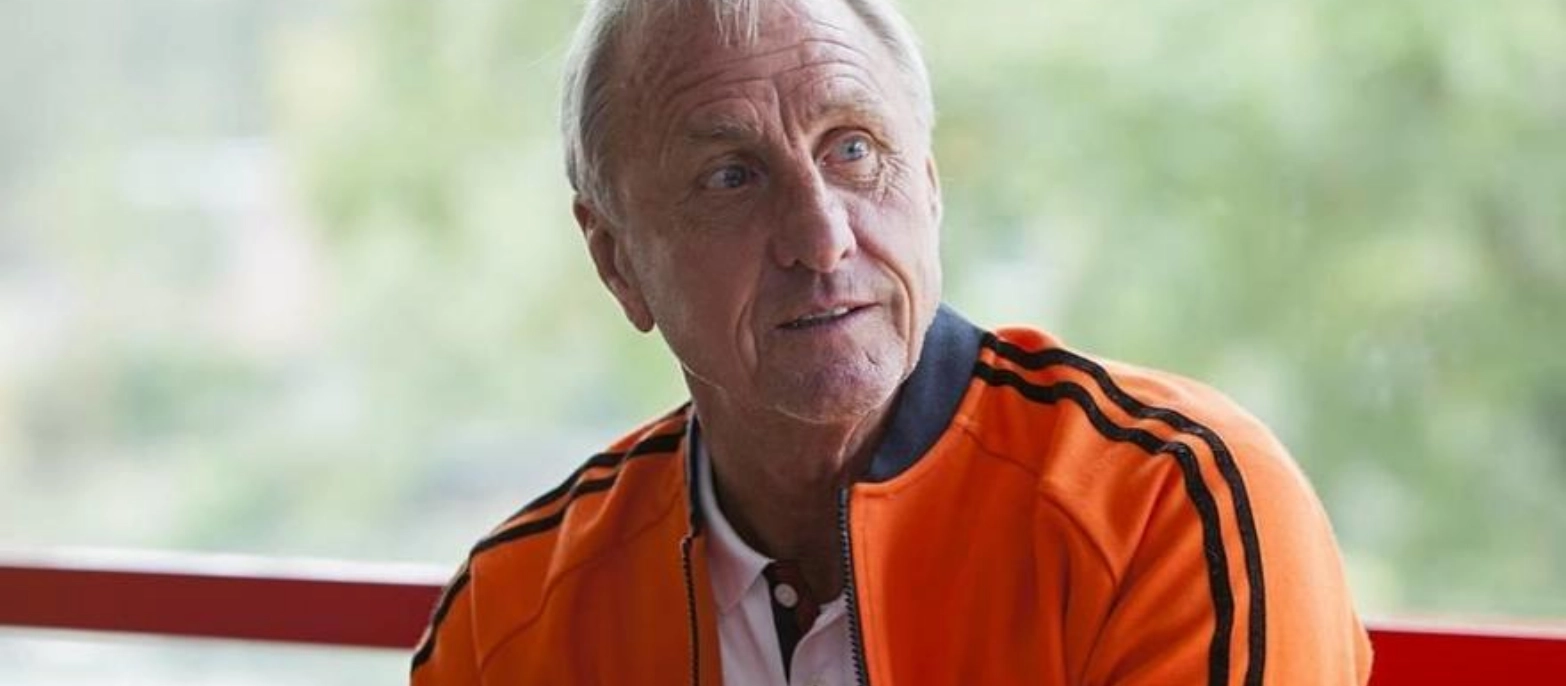
Johan Cruyff image

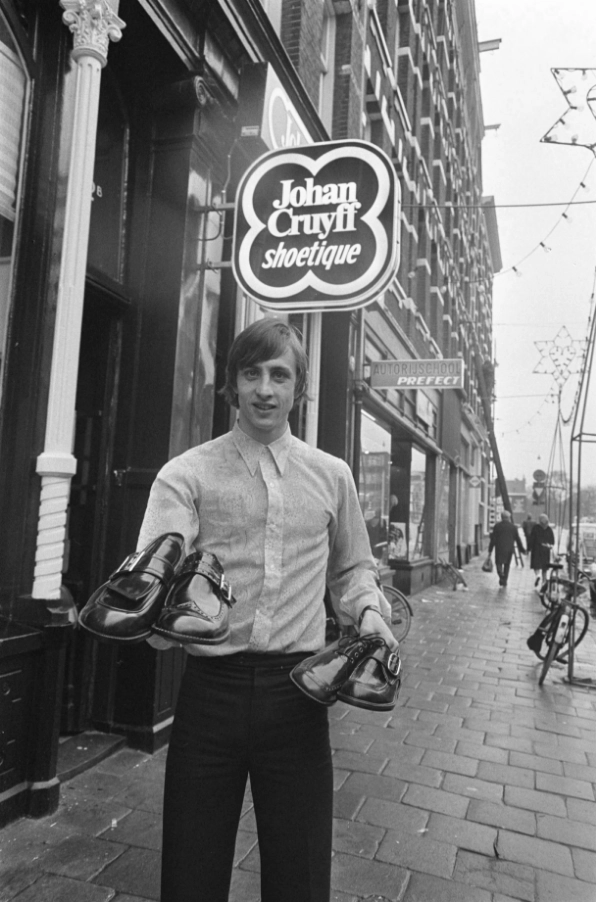
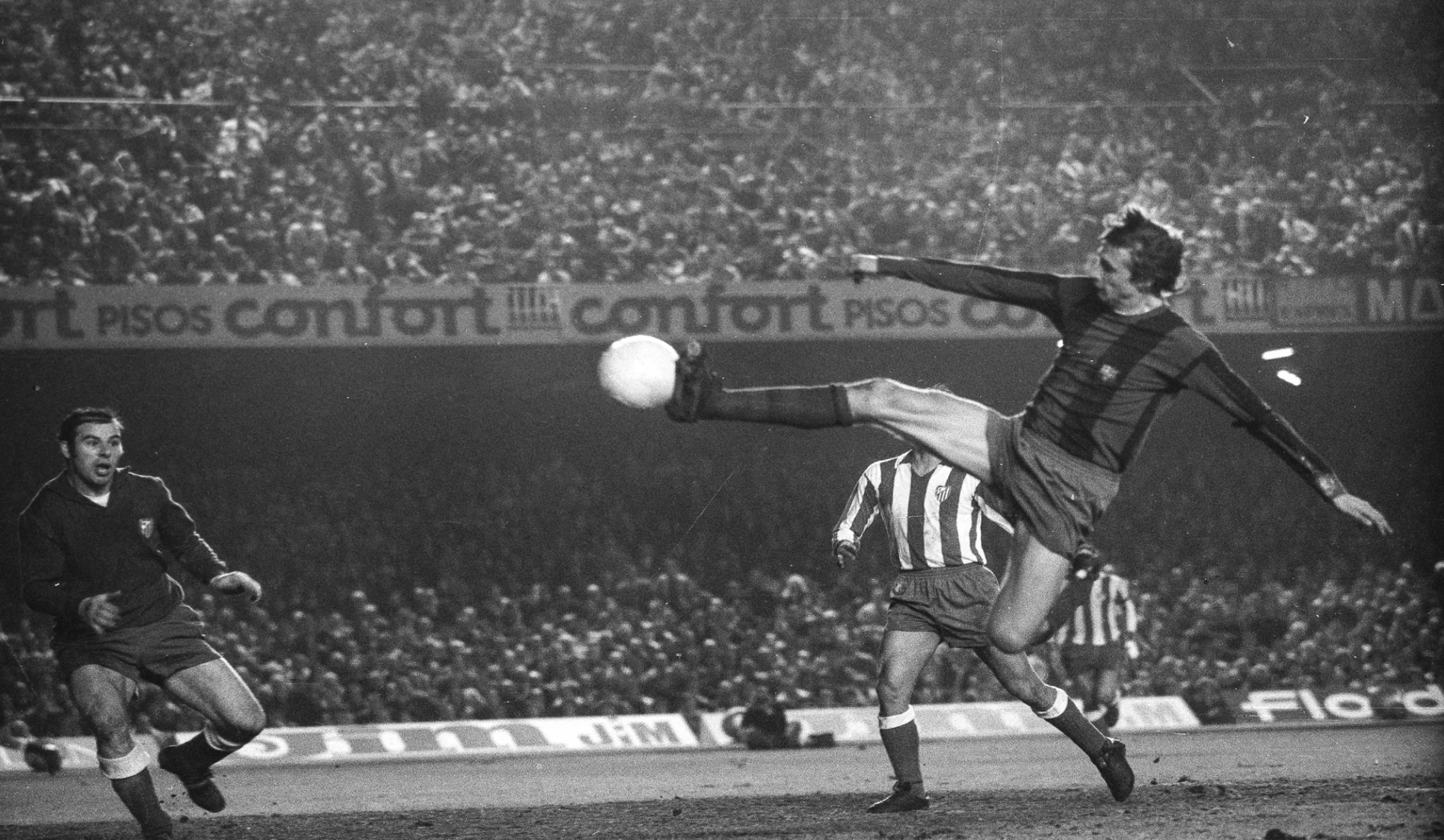
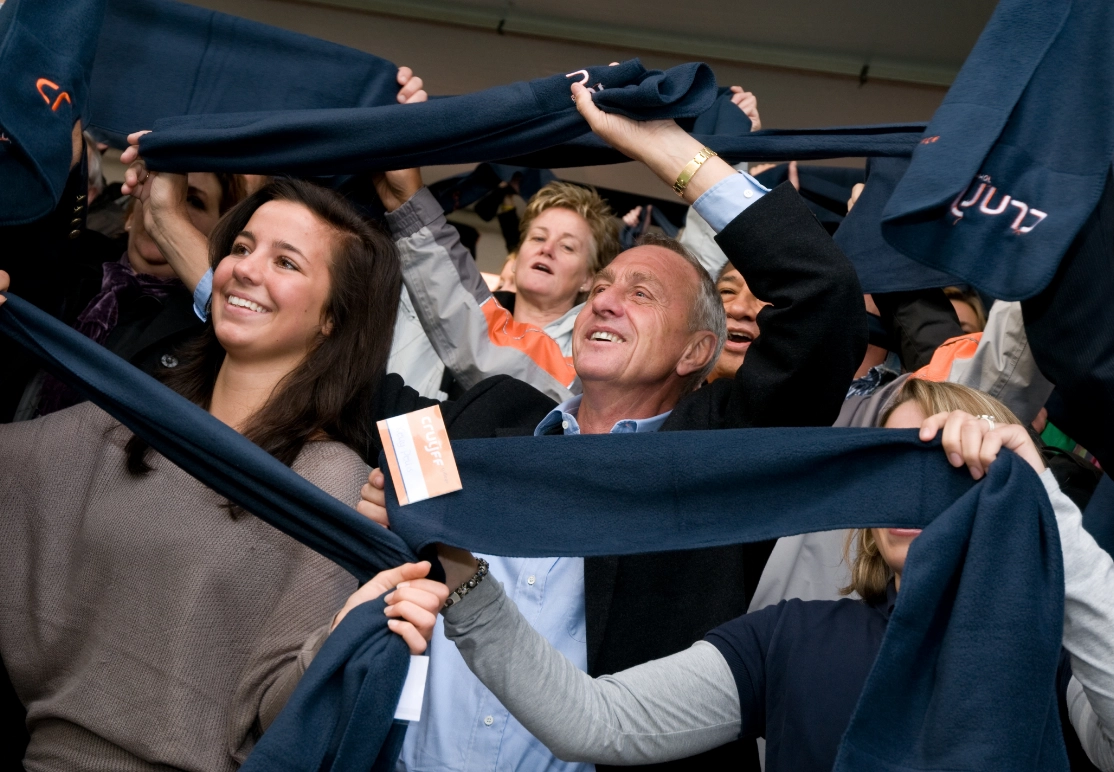
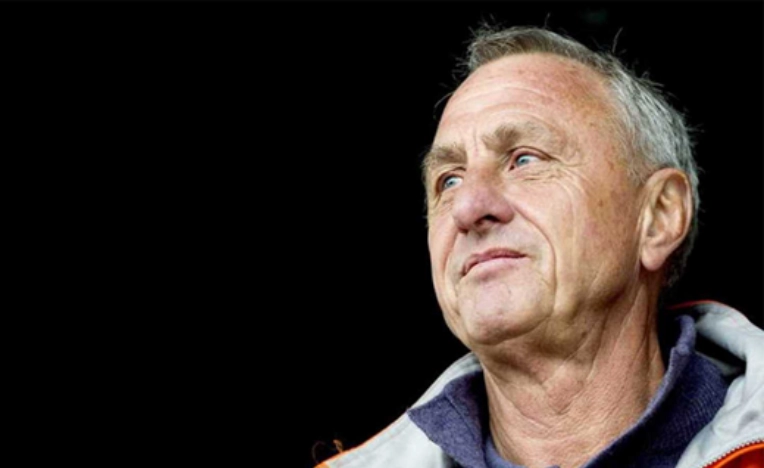
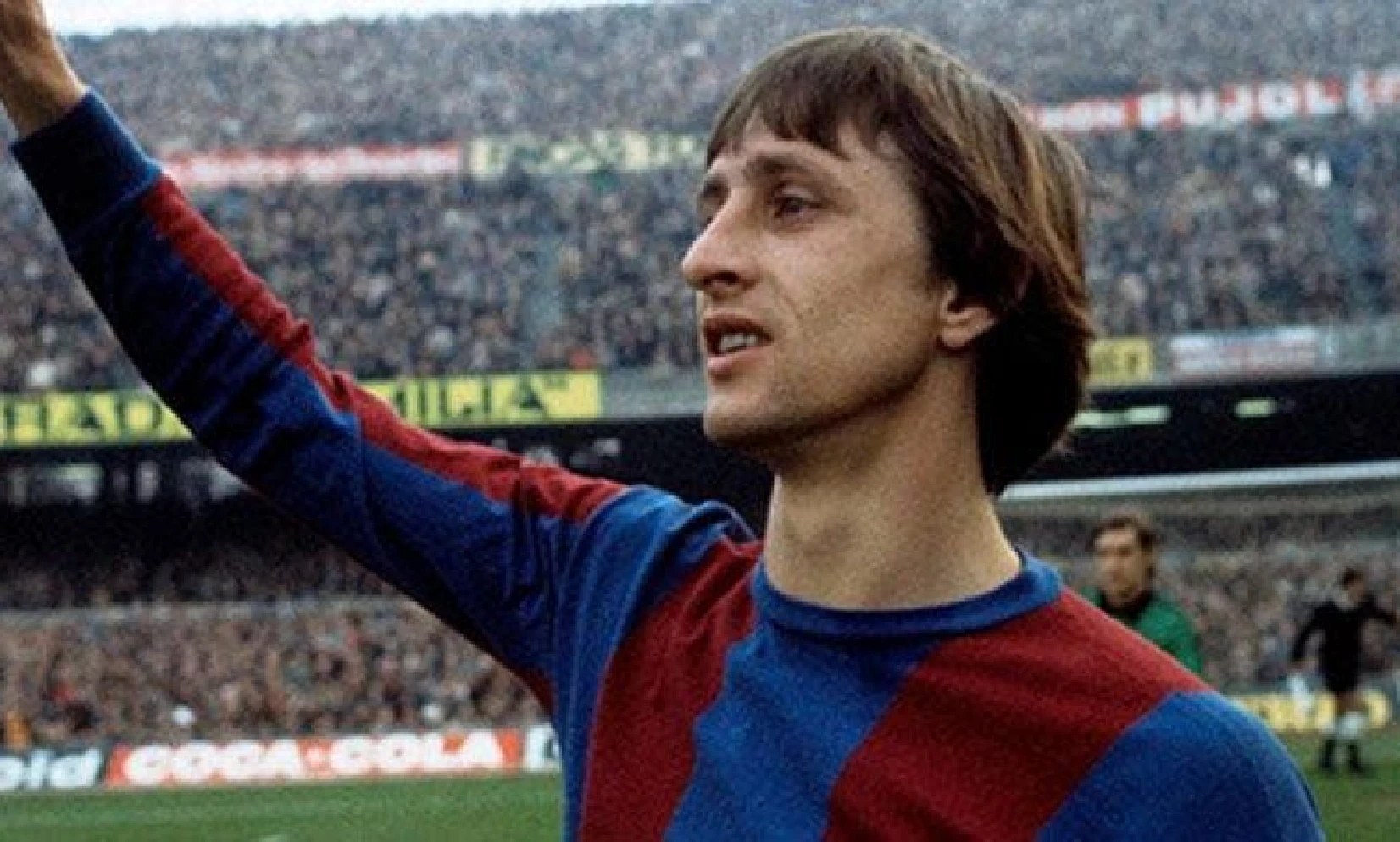
Hendrik Johannes Cruijff (Ámsterdam, 25 de abril de 1947 – Barcelona, 24 de marzo de 2016), conocido como Johan Cruyff, fue un legendario futbolista y entrenador neerlandés. Ganó el Balón de Oro en tres ocasiones (1971, 1973 y 1974) y se convirtió en el máximo exponente de la filosofía del Fútbol Total. Está considerado como uno de los mejores jugadores de la historia del fútbol. En 1999, fue elegido Jugador Europeo del Siglo.

Imagen 1
Imagen 2
Imagen 3
Imagen 4
Imagen 5
Imagen 6
Imagen 7
Imagen 8

Tras retirarse como jugador en 1984, Cruyff alcanzó un gran éxito como entrenador, primero en el Ajax y luego en el FC Barcelona, donde sentó las bases de un estilo de juego revolucionario que sigue influyendo en el fútbol actual. Más allá del banquillo, creó varias iniciativas para difundir su visión y valores, como Cruyff Education, Cruyff Football, la Cruyff Foundation y Cruyff Lifestyle, todas ellas parte del Legado de Johan Cruyff.

Para consultas generales o solicitudes sobre el uso de fotos, imágenes, citas, textos, declaraciones o marcas registradas, consulte nuestra política de explotación o póngase en contacto con management@cruyff.com.

Explorar más sobre

Cronología
1947
Line down

25 april

Hendrik Johannes Cruijff was born in Amsterdam.

1957
Line down

25 April

Johan joins the Ajax AFC youth team.

1959
Line down

8 July

Johan’s father passes away.

1964
Line down

15 November

Johan makes his first-team debut for Ajax and scores his first goal, despite a 3–1 defeat to GVAV.

1965
Line down

In the 1965-66 season, Johan scores his first hat-trick and nets a total of 25 goals, helping Ajax win the Eredivisie.

1966
Line down

On 7 September, Johan makes his debut for the Netherlands and scores in a 2–2 draw against Hungary in a Euro ’68 qualifier.

1967
Line down

On 6 November, Johan becomes the first Dutch international ever to receive a red card. He goes on to finish the season as the Eredivisie’s top scorer with 33 goals and is awarded Dutch Footballer of the Year.

1968
Line down

On 10 December, Johan marries Danny Coster. That same year, he is named Dutch Footballer of the Year.

1969
Line down

On 28 May, Ajax are defeated 4–1 by Milan in the European Cup final.

1970
Line down

Johan returns from injury wearing the No. 14 shirt — a number he would keep for the rest of his career.

On 16 November , their first daughter, Chantal, was born.

On 29 November: Johan scores six goals in an 8–1 victory over AZ ’67.

Ballon d'Or
1971
Line down

On 2 June, Ajax win their first-ever European Cup final, beating Panathinaikos 2–1. That same year, Johan signs a seven-year deal with the club, is named Dutch and European Footballer of the Year, and receives his first Ballon d’Or.

1972
Line down

On 31 May, Johan scores both goals in Ajax’s 2–0 win over Inter Milan, securing their second consecutive European Cup. Later that year, Ajax also win the Intercontinental Cup, cementing their status as a global powerhouse.

On 27 January, their second daughter, Susila, was born.

Ballon d'Or
1973
Line down

On 30 May: Ajax win the European Cup for the third consecutive season with a 1–0 victory over Juventus.
On 19 August: Johan plays his final match for Ajax before transferring to Barcelona for a world-record fee (approximately $2 million).
Later that year, Johan wins his second Ballon d’Or.

Ballon d'Or
1974
Line down

On 9 February: Johan’s son, Jordi, is born. His birth is registered in Amsterdam, as the name “Jordi” is illegal under Franco’s regime in Spain.
On 17 February: FC Barcelona defeat Real Madrid 5–0 at the Santiago Bernabéu. The team goes on to win La Liga for the first time since 1960.

1977
Line down

In October, Johan retires from international football, bringing an end to his iconic career with the Netherlands.

1978
Line down

On 19 April, Barcelona wins the Copa del Rey with a 3–1 win over Las Palmas. That summer, the Netherlands reaches their second consecutive World Cup final, but falls 3–1 to Argentina in extra time.

1979
Line down

Barcelona’s La Masia youth academy is founded, inspired by Cruyff’s advice and football philosophy.
Moves to the Los Angeles Aztecs to continue his playing career in the NASL.

The Netherlands reach the World Cup final once again, but lose 3–1 to Argentina in extra time.

1980
Line down

Johan moves to the Washington Diplomats to continue his career in the NASL. In November, he returns to Ajax, who were struggling in 8th place at the time, taking on the role of technical advisor.

In February/March, Barcelona claims the European Super Cup, defeating Werder Bremen 3–2 on aggregate.

1981
Line down

February

Moves to Levante after a proposed transfer to Leicester City falls through.

Summer

Returns to the Washington Diplomats.

December

Signs as a player for Ajax.

1982
Line down
1983
Line down

In June, after winning the Eredivisie with Ajax, Johan makes a controversial move to rivals Feyenoord following Ajax’s decision not to renew his contract. In a remarkable season, Feyenoord goes on to win both the league title and the KNVB Cup.

1984
Line down

Feyenoord win the league and KNVB Cup double.

1966–1984: Represents the Netherlands internationally, earning 48 caps and scoring 33 goals.

Named Dutch Footballer of the Year for a fifth time.

13 May: Retires from competitive football.

1985
Line down

In June, Johan returns to Ajax as technical director — effectively taking on the role of manager.

1987
Line down

13 May

Ajax win the European Cup Winners’ Cup with a 1–0 victory over Lokomotive Leipzig.

1988
Line down

In the summer, Johan joins FC Barcelona as manager, beginning a historic new chapter in his football career.

1989
Line down

On 10 May, Johan leads Barcelona to victory in the European Cup Winners’ Cup, defeating Sampdoria 2–0 in the final.

1990
Line down

In February, Johan undergoes double heart bypass surgery. Just weeks later, on 5 April, he leads Barcelona to win the Copa del Rey.

1992
Line down

On 20 May, Johan Cruyff’s Barcelona wins their first-ever European Cup, defeating Sampdoria 1–0 after extra time.

1993
Line down

Johan Cruyff’s Barcelona secures their third straight La Liga title.

1994
Line down

In February/March, Johan Cruyff’s Barcelona secures their fourth straight La Liga title, marking an era of domestic dominance.

1996
Line down

In April, Johan Cruyff is dismissed as manager of FC Barcelona, bringing an end to a transformative and trophy-laden era at the club.

1997
Line down

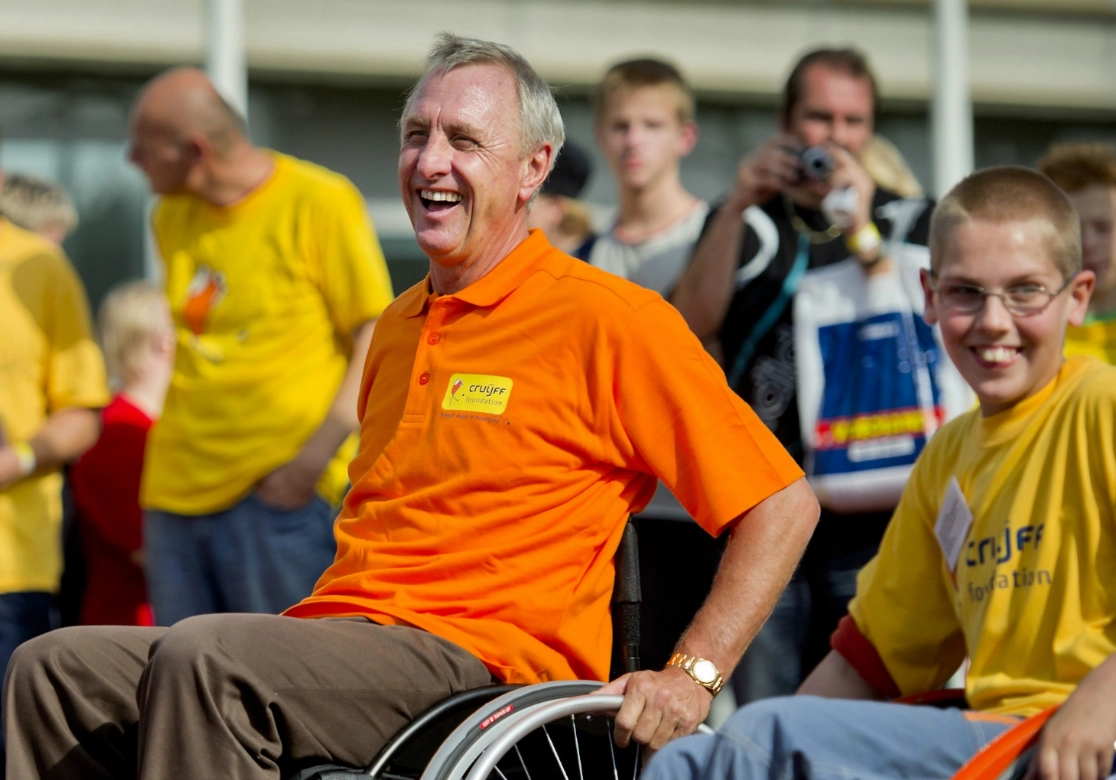
The Cruyff Foundation is established, reflecting Johan’s commitment to using sport as a tool for social inclusion and youth development.

1999
Line down

The Johan Cruyff Institute is founded, continuing his legacy by educating future leaders in sport.
Voted European Player of the Century.
Comes second to Pelé in the World Player of the Century poll.

2004
Line down

Johan Cruyff is named in the FIFA 100 list of the world’s greatest living players, selected by Pelé to celebrate FIFA’s centenary.

2009
Line down

The 100th Cruyff Court is opened, marking a major milestone in Johan Cruyff’s mission to create safe and inclusive spaces for children to play and grow through sport.

2013
Line down
2015
Line down

In October, Johan Cruyff is diagnosed with lung cancer.

2016
Line down

On 24 March, Johan Cruyff passes away in Barcelona at the age of sixty-eight, leaving behind an enduring legacy as one of football’s greatest visionaries.

1947

25 April
Hendrik Johannes Cruijff was born in Amsterdam.

1957

Johan joins the Ajax AFC youth team.

1959

8 July
Johan’s father passes away.

1964

15 November
Johan makes his first-team debut for Ajax and scores his first goal, despite a 3–1 defeat to GVAV.

1965

In the 1965-66 season, Johan scores his first hat-trick and nets a total of 25 goals, helping Ajax win the Eredivisie.

1966

On 7 September, Johan makes his debut for the Netherlands and scores in a 2–2 draw against Hungary in a Euro ’68 qualifier.

1967

On 6 November, Johan becomes the first Dutch international ever to receive a red card. He goes on to finish the season as the Eredivisie’s top scorer with 33 goals and is awarded Dutch Footballer of the Year.

1968

On 10 December, Johan marries Danny Coster. That same year, he is named Dutch Footballer of the Year.

1969

On 28 May, Ajax are defeated 4–1 by Milan in the European Cup final.

1970

Johan returns from injury wearing the No. 14 shirt — a number he would keep for the rest of his career.

On 16 November, their first daughter, Chantal, was born.

On 29 November: Johan scores six goals in an 8–1 victory over AZ ’67.

1971

On 2 June, Ajax win their first-ever European Cup final, beating Panathinaikos 2–1. That same year, Johan signs a seven-year deal with the club, is named Dutch and European Footballer of the Year, and receives his first Ballon d’Or.

1972

On 31 May, Johan scores both goals in Ajax’s 2–0 win over Inter Milan, securing their second consecutive European Cup. Later that year, Ajax also win the Intercontinental Cup, cementing their status as a global powerhouse.

On January 27, their second daughter, Susila, was born.

1973

On 30 May: Ajax win the European Cup for the third consecutive season with a 1–0 victory over Juventus.

On 19 August: Johan plays his final match for Ajax before transferring to Barcelona for a world-record fee (approximately $2 million).
Later that year, Johan wins his second Ballon d’Or.

1974

On 9 February: Johan’s son, Jordi, is born. His birth is registered in Amsterdam, as the name “Jordi” is illegal under Franco’s regime in Spain.

On 17 February: FC Barcelona defeat Real Madrid 5–0 at the Santiago Bernabéu. The team goes on to win La Liga for the first time since 1960.

In the summer, Johan leads the Netherlands to the World Cup final, where they lose 2–1 to West Germany. Johan is named Player of the Tournament and famously performs the first-ever ‘Cruyff Turn’ during a group stage match against Sweden.

In December, Johan wins his third Ballon d’Or and is officially recognized as the World Cup Player of the Tournament.

1977

In October, Johan retires from international football, bringing an end to his iconic career with the Netherlands.

1978

On 19 April, Barcelona wins the Copa del Rey with a 3–1 win over Las Palmas. That summer, the Netherlands reaches their second consecutive World Cup final, but falls 3–1 to Argentina in extra time.

1979

Barcelona’s La Masia youth academy is founded, inspired by Cruyff’s advice and football philosophy.

Moves to the Los Angeles Aztecs to continue his playing career in the NASL.

The Netherlands reach the World Cup final once again, but lose 3–1 to Argentina in extra time.

1980

Johan moves to the Washington Diplomats to continue his career in the NASL. In November, he returns to Ajax, who were struggling in 8th place at the time, taking on the role of technical advisor.

In February/March, Barcelona claims the European Super Cup, defeating Werder Bremen 3–2 on aggregate.

1981

February
Moves to Levante after a proposed transfer to Leicester City falls through.

Summer
Returns to the Washington Diplomats.

December
Signs as a player for Ajax.

1982
1983

In June, after winning the Eredivisie with Ajax, Johan makes a controversial move to rivals Feyenoord following Ajax’s decision not to renew his contract. In a remarkable season, Feyenoord goes on to win both the league title and the KNVB Cup.

1984

Feyenoord win the league and KNVB Cup double.

1966–1984: Represents the Netherlands internationally, earning 48 caps and scoring 33 goals.

Named Dutch Footballer of the Year for a fifth time.

13 May: Retires from competitive football.

1985

In June, Johan returns to Ajax as technical director — effectively taking on the role of manager.

1987

13 May
Ajax win the European Cup Winners’ Cup with a 1–0 victory over Lokomotive Leipzig.

1988

In the summer, Johan joins FC Barcelona as manager, beginning a historic new chapter in his football career.

1989

On 10 May, Johan leads Barcelona to victory in the European Cup Winners’ Cup, defeating Sampdoria 2–0 in the final.

1990

In February, Johan undergoes double heart bypass surgery. Just weeks later, on 5 April, he leads Barcelona to win the Copa del Rey.

1992

On 20 May, Johan Cruyff’s Barcelona wins their first-ever European Cup, defeating Sampdoria 1–0 after extra time.

1993

Johan Cruyff’s Barcelona secures their third straight La Liga title.

1994

In February/March, Johan Cruyff’s Barcelona secures their fourth straight La Liga title, marking an era of domestic dominance.

1996

In April, Johan Cruyff is dismissed as manager of FC Barcelona, bringing an end to a transformative and trophy-laden era at the club.
1997

The Cruyff Foundation is established, reflecting Johan’s commitment to using sport as a tool for social inclusion and youth development.
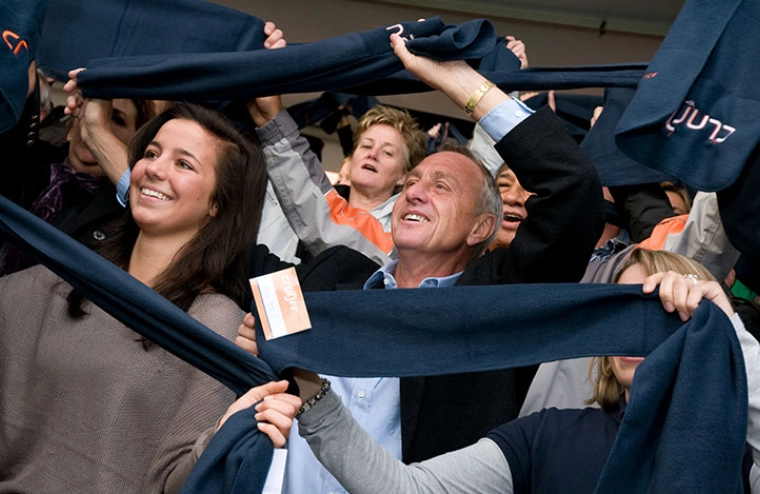
1999

The Johan Cruyff Institute is founded, continuing his legacy by educating future leaders in sport.

Voted European Player of the Century.
Comes second to Pelé in the World Player of the Century poll.

2004

Johan Cruyff is named in the FIFA 100 list of the world’s greatest living players, selected by Pelé to celebrate FIFA’s centenary.

2009

The 100th Cruyff Court is opened, marking a major milestone in Johan Cruyff’s mission to create safe and inclusive spaces for children to play and grow through sport.

2015

In October, Johan Cruyff is diagnosed with lung cancer.

2016

On 24 March, Johan Cruyff passes away in Barcelona at the age of sixty-eight, leaving behind an enduring legacy as one of football’s greatest visionaries.

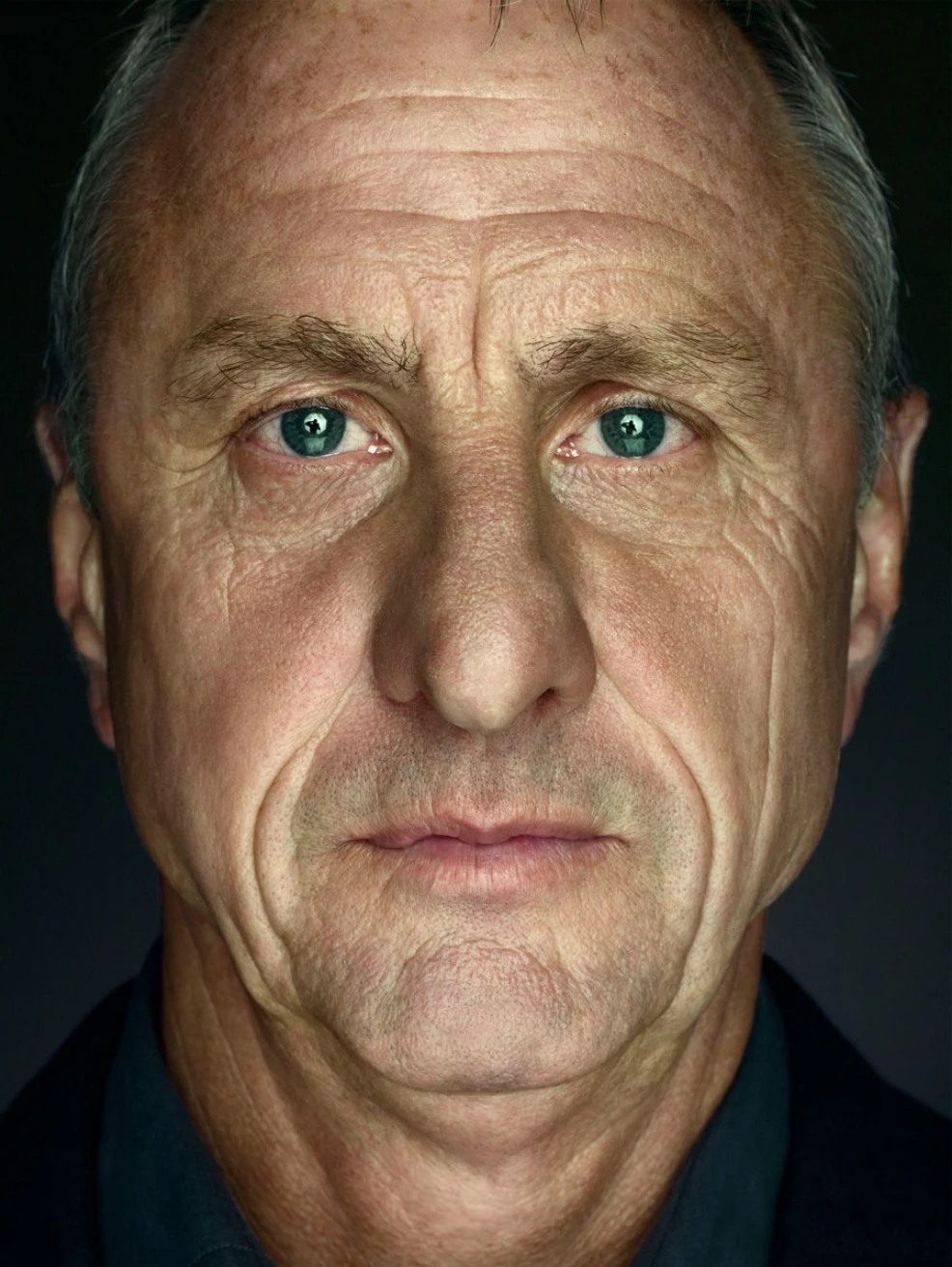
Información personal
Johan Cruyff image
  • Apellido

    Cruyff

  • Nombre

    Hendrik Johannes

  • Fecha de nacimiento

    25 de abril de 1947 (Johan falleció el 24 de marzo de 2016, a los 68 años)

  • Lugar de nacimiento

    Amsterdam

  • Apodos

    Jopie, Number 14, El Salvador

  • Estado civil

    Casada con Danny Coster

  • Hijos

    Chantal, Susila, Jordi

  • Clubes

    Ajax, FC Barcelona, Los Angeles Aztecs, Washington Diplomats, Levante and Feyenoord

  • Juegos internacionales

    48 (33 goles, 34 veces capitán)

  • Entrenador favorito

    Rinus Michels

  • Jugadores favoritos

    Alfredo di Stefano y Faas Wilkes

  • Último oponente favorito

    Berti Vogts

  • Estadio favorito

    Camp Nou en Barcelona

  • Camisa favorita

    Ajax. Es un poco más dinámica que otras camisetas. La del Barcelona a veces es difícil de distinguir a lo lejos, sobre todo cuando un jugador camina cerca de la grada.

  • Partido favorito

    Ajax – Liverpool, el famoso partido de la niebla (7 de diciembre de 1966)

  • Deporte aparte del fútbol

    Golf

  • Vacaciones

    España, la montaña en invierno y el sol en verano

  • Bebida

    Vino tinto español

  • Comida

    Como de todo. Me encanta el pescado, pero también me encantan los guisantes con manteca o guisados. Soy muy fácil...

  • Color

    Rojo

  • Cómico de standup

    Solía ​​ser Toon Hermans, y posteriormente André van Duin. Me parece especial la gente que tiene la capacidad de alegrar la noche a los demás.

  • Escritor

    Leo de todo. Sobre todo novelas policiacas. Robert Ludlum, Frederick Forsyth, lectura relajante.

  • Música

    Nat King Cole. Beatles. Música tranquila. Laurens van Rooijen, Richard Clayderman.

  • Pintor

    Vincent van Gogh y todo el arte naif

  • Película

    El Padrino

  • Arquitecto

    Gaudí

  • Político

    Honesto. Alguien que hace algo bueno por el bien común. No estoy vinculado a ningún partido, por lo que no mencionaré nombres.

  • Ropa

    Clásico. Creo que Zegna es hermoso. Hugo Boss también.

  • Coche

    Llevo años conduciendo un Mercedes.

  • Felicidad

    Vida familiar

  • Miedo al fracaso

    No lo tengo.

  • Incertidumbre

    No sabes cuál será el resultado final, pero nunca debes dejarte influenciar por ello.

  • Forma

    No existe. Tú tienes el control de eso.

  • Alegría

    Todo lo bello que me rodea. Puede ser una pintura, pero también lo son mis nietos.

  • Orgullo

    De mis hijos, quienes, a pesar de las circunstancias extremas en las que crecieron, tal como son, somos una familia unida.

  • Coraje

    Necesario para el éxito. Quienes toman la iniciativa son los que más éxito tienen.

  • Enojo

    Personas que utilizan un instituto de manera astuta sin aportar nada al mismo.

  • Regalo de cumpleaños

    No pido nada y recibo algo. Me gusta todo aquello en lo que la gente dedica su tiempo y atención.

  • Hijo que juega al fútbol

    ¡Genial! He estado en todos los eventos. Incluso en la selección holandesa de fútbol.

  • Favorecer o descuidar

    Ninguno. Como entrenador, tratas con futbolistas. No con tu hijo. He protegido a todos los jugadores. No puedes obligar a alguien a debutar en un Nou Camp lleno si aún no está a la altura. Sobre todo a tu hijo. No dejarías que le silbaran, ¿verdad?

  • Emancipación

    Hombres y mujeres siempre serán iguales, pero también serán diferentes.

  • Ayudando en casa

    Por supuesto. Pero no porque debiera.

  • Esposa

    La persona más importante de mi vida. Sin ella, habría cometido tantos errores... No necesariamente por tu propia estupidez, sino porque te enfrentas a tantos intereses. Ella me mantiene en el buen camino.

Trofeos

Más de treinta años en el fútbol han dado como resultado una asombrosa cantidad de campeonatos, copas, premios y reconocimientos personales, tanto como entrenador como jugador.

  • 14

    Campeón nacional

  • 10

    Copa

  • 4

    Copa de Europa I

  • 2

    Copa de Europa II

  • 2

    Supercopa de Europa

  • 3

    Supercopa Nacional

Jugador

Descripción general

El 15 de noviembre de 1964, Johan Cruyff debutó oficialmente en la liga holandesa. El Ajax perdió en Groningen por 3-1 ante el GVAV; él marcó el único gol del Ajax. Diecinueve años y seis meses después, jugó su último partido como jugador del Feyenoord contra el FC Zwolle. Marcó en su último encuentro. Johan Cruyff disputó 48 partidos internacionales con Holanda (33 goles) y fue 34 veces capitán de la selección holandesa.

Club Liga Copa EC Total
Partidos Goles Partidos Goles Partidos Goles Partidos Goles

Ajax

275 204 40 39 49 23 364 266

FC Barcelona

FC Barcelona Logo
143 48 50 25 34 12 227 85

LA Aztecs

27 14 0 0 0 0 27 14

Diplomats

32 12 0 0 0 0 32 12

Levante U.D.

10 2 0 0 0 0 10 2

Feyenoord

33 11 7 1 4 1 44 13

CLUBS

Ajax

Partidos Goles
Liga 275 204
Copa 40 39
EC 49 23
Total 364 266

FC Barcelona

FC Barcelona Logo
Partidos Goles
Liga 143 48
Copa 50 25
EC 34 12
Total 227 85

LA Aztecs

Partidos Goles
Liga 27 14
Copa 0 0
EC 0 0
Total 27 14

Diplomats

Partidos Goles
Liga 32 12
Copa 0 0
EC 0 0
Total 32 12

Levante U.D.

Partidos Goles
Liga 10 2
Copa 0 0
EC 0 0
Total 10 2

Feyenoord

Partidos Goles
Liga 33 11
Copa 7 1
EC 4 1
Total 44 13

Jugando para el Ajax

Con Johan Cruyff, el Ajax se ganó un lugar en la historia del fútbol. A principios de los setenta, ganó tres Copas de Europa consecutivas: 1971, 1972 y 1973.

A su regreso a Ámsterdam en 1981, volvió a sorprender al público. El 6 de diciembre de 1981, engañó al portero del Haarlem, Edward Metgod, con una brillante vaselina. Con Cruyff, el Ajax ganó dos campeonatos nacionales más.

Temporada Liga Copa EC
Goles Partidos Goles Partidos Goles
1964/65 10 4 0 0 0 0
1965/66 19 16 4 6 0 0
1966/67 30 33 5 5 6 3
1967/68 33 25 5 6 2 1
1968/69 29 24 3 3 10 6
1969/70 33 23 5 6 8 4
1970/71 25 21 6 5 6 1
1971/72 32 25 4 3 9 5
1972/73 26 16 0 0 6 3
1973/74 2 3 0 0 0 0
1981/82 15 7 1 0 0 0
1982/83 21 7 7 2 2 0
Excluyendo el partido suspendido Ajax-Feyenoord

1964/65

Partidos Goles
Liga 10 4
Copa 0 0
EC 0 0

1965/66

Partidos Goles
Liga 19 16
Copa 4 6
EC 0 0

1966/67

Partidos Goles
Liga 30 33
Copa 5 5
EC 6 3

1967/68

Partidos Goles
Liga 33 25
Copa 5 6
EC 2 1

1968/69

Partidos Goles
Liga 29 24
Copa 3 3
EC 10 6

1969/70

Partidos Goles
Liga 33 23
Copa 5 6
EC 8 4
Excluyendo el partido suspendido Ajax-Feyenoord

1970/71

Partidos Goles
Liga 25 21
Copa 6 5
EC 6 1

1971/72

Partidos Goles
Liga 32 25
Copa 4 3
EC 9 5

1972/73

Partidos Goles
Liga 26 16
Copa 0 0
EC 6 3

1973/74

Partidos Goles
Liga 2 3
Copa 0 0
EC 0 0

1981/82

Partidos Goles
Liga 15 7
Copa 1 0
EC 0 0

1982/83

Partidos Goles
Liga 21 7
Copa 7 2
EC 2 0

Jugando en el FC Barcelona

FC Barcelona Logo

Cruyff comenzó la temporada 1973/74 jugando para el Ajax, pero luego fichó por el Barcelona. En Ámsterdam, sus compañeros lo decepcionaron al elegir a Piet Keizer como capitán. Además, en España, podría firmar un contrato mucho mejor.

El Barcelona lo recibió como «El Salvador». En su primer año, Cruyff sorprendió a los culés al liderar al Barcelona a su primer campeonato nacional en 14 años. En Madrid, el Barcelona humilló al Real Madrid al derrotarlo por 5-0.

Temporada Liga Copa EC
Partidos Goles Partidos Goles Partidos Goles
1973/74 26 16 12 8 0 0
1974/75 30 7 12 7 8 0
1975/76 29 6 10 3 9 2
1976/77 30 14 9 6 7 5
1977/78 28 5 7 1 10 5

1973/74

Partidos Goles
Liga 26 16
Copa 12 8
EC 0 0

1974/75

Partidos Goles
Liga 30 7
Copa 12 7
EC 8 0

1975/76

Partidos Goles
Liga 29 6
Copa 10 3
EC 9 2

1976/77

Partidos Goles
Liga 30 14
Copa 9 6
EC 7 5

1977/78

Partidos Goles
Liga 28 5
Copa 7 1
EC 10 5

En los Estados Unidos

Tras su retiro oficial en 1978, Cruyff no pudo resistirse a volver a jugar. No solo por razones económicas, sino porque extrañaba el fútbol.

Johan Cruyff se mudó a Los Ángeles para jugar con los Aztecs. En la Liga Norteamericana de Fútbol (NASL), Cruyff y sus compañeros Pelé y Franz Beckenbauer intentaron llevar el fútbol a Estados Unidos.

Un año después, Johan Cruyff se unió a los Washington Diplomats. Al final de la temporada, fue elegido jugador estadounidense del año por segunda vez consecutiva.

Temporada Club Partidos Goles
1979 Los Angeles Aztecs 27 14
1980 Washington Diplomats 27 10
1981 Washington Diplomats 5 2

1979

Partidos Goles
Los Angeles Aztecs 27 14

1980

Partidos Goles
Washington Diplomats 27 10

1981

Partidos Goles
Washington Diplomats 5 2

Corto periodo con el Levante

Cruyff regresó a España en marzo de 1981 para jugar en el Levante, el segundo club de la ciudad de Valencia.

El Levante, donde jugó en el pasado Faas Wilkes, el referente de Cruyff, no pudo cumplir con los acuerdos financieros. Cruyff jugó exactamente diez partidos y luego se retiró.

Temporada Liga Copa EC
Partidos Goles Partidos Goles Partidos Goles
1980/81 10 2 0 0 0 0

1980/81

Partidos Goles
Liga 10 2
Copa 0 0
EC 0 0

Jugando para el Feyenoord

Impulsado por la ira, Johan Cruyff hizo lo impensable en 1983. Se trasladó del Ajax al Feyenoord, su rival. La afición de Róterdam no veía con buenos ojos que Cruyff defendiera sus colores, pero su escepticismo pronto se desvaneció.

A pesar de la derrota por 8-2 en Ámsterdam contra el Ajax, el Feyenoord se alzó con el título nacional y la Copa KNVB. Gracias a un impresionante Peter Houtman, un dinámico Ruud Gullit y, sobre todo, a un inspirado Johan Cruyff.

Temporada Liga Copa EC
Partidos Goles Partidos Goles Partidos Goles
1983/84 33 11 7 1 4 1

1983/84

Partidos Goles
Liga 33 11
Copa 7 1
EC 4 1
Entrenador

Descripción general

Club
Temporada Partidos Ganados Empates Perdidos Goles Posición

Ajax

1985/88 86 62 7 17 258–93
1985/86 34 25 2 7 120–35 2e
1986/87 34 25 3 6 92–35 2e
1987/88 18 12 2 4 46–28 2e

FC Barcelona

1988/96 301 180 68 53 619–279
1988/89 38 23 11 4 80–26 2e
1989/90 38 23 5 10 83–29 3e
1990/91 33 22 6 5 64–31 1e
1991/92 38 23 9 6 87–37 1e
1992/93 38 25 8 5 87–34 1e
1993/94 38 25 6 7 91–42 1e
1994/95 38 18 10 10 60–45 4e
1995/96 40 21 13 6 67–35 3e
Total 387 242 75 70 877–372

Total

Partidos 387
Ganados 242
Empates 75
Perdidos 70
Goles 877–372

Ajax

1985/88

Partidos 86
  • 1985/8634*
  • 1986/8734*
  • 1987/8818*
Ganados 62
  • 1985/8625*
  • 1986/8725*
  • 1987/8812*
Empates 7
  • 1985/862*
  • 1986/873*
  • 1987/882*
Perdidos 17
  • 1985/867*
  • 1986/876*
  • 1987/884*
Goles 258–93
  • 1985/86120–35*
  • 1986/8792–35*
  • 1987/8846–28*

FC Barcelona

1988/96

FC Barcelona Logo
Partidos 301
  • 1988/89382e
  • 1989/90383e
  • 1990/91331e
  • 1991/92381e
  • 1992/93381e
  • 1993/94381e
  • 1994/95384e
  • 1995/96403e
Ganados 180
  • 1988/89232e
  • 1989/90233e
  • 1990/91221e
  • 1991/92231e
  • 1992/93251e
  • 1993/94251e
  • 1994/95184e
  • 1995/96213e
Empates 68
  • 1988/89112e
  • 1989/9053e
  • 1990/9161e
  • 1991/9291e
  • 1992/9381e
  • 1993/9461e
  • 1994/95104e
  • 1995/96133e
Perdidos 53
  • 1988/8942e
  • 1989/90103e
  • 1990/9151e
  • 1991/9261e
  • 1992/9351e
  • 1993/9471e
  • 1994/95104e
  • 1995/9663e
Goles 619–279
  • 1988/8980–262e
  • 1989/9083–293e
  • 1990/9164–311e
  • 1991/9287–371e
  • 1992/9387–341e
  • 1993/9491–421e
  • 1994/9560–454e
  • 1995/9667–353e